
Chlorine test give operators objective, timely measurements of disinfectant in water. They distinguish free, combined, and total chlorine to show available protection and chloramine formation . Portable colorimetric kits, DPD reagents, and photometers enable field checks and precise quantification. Results guide immediate actions like adjusting feed rates, aeration, or dilution to restore safety. Records support compliance, audits, and quality programs. Continue for practical steps, testing options, and interpretation guidance to apply on site.
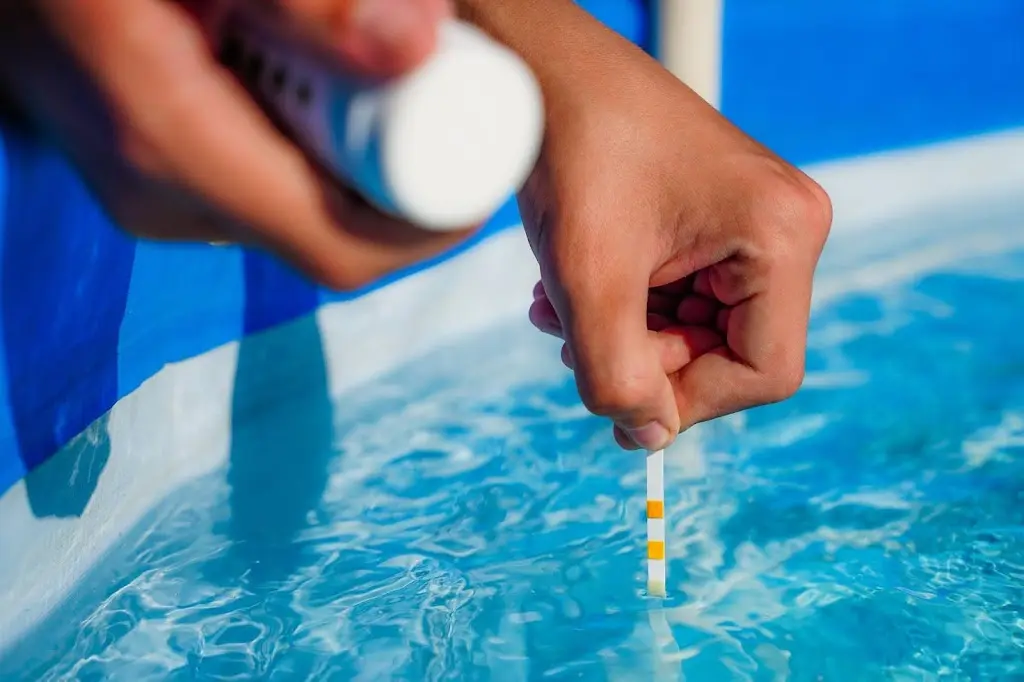
Quick-Start: Test and Act in 3 Steps
When time is limited, a simple three-step routine enables users to assess and respond to chlorine levels quickly and reliably.
First, collect a sample using a clean container and follow manufacturer timing to avoid contamination or delay.
Second, apply the chosen test—tablet, strip, or colorimeter—observing the result within the specified window to guarantee accuracy.
Third, interpret the result against the target range and act: adjust dosing, aerate, or isolate water until levels return to acceptable bounds.
The procedure favors autonomy, enabling operators to make informed adjustments without waiting for external approval.
Clear records of readings and actions support repeatability and confidence.
This concise workflow preserves safety while maximizing operational freedom and control.
Which Chlorine Measurements Matter (Free, Combined, Total)
After a quick test-and-act routine https://laballiance.com.my/, attention shifts to which chlorine measurements inform decisions: free, combined, and total chlorine.
Free chlorine denotes available disinfectant—hypochlorous acid and hypochlorite—that neutralizes pathogens and grants confidence to act without restraint.
Combined chlorine represents chloramines formed when free chlorine reacts with ammonia or organic nitrogen; it offers lingering residual but reduced microbicidal strength and can cause taste and odor concerns.
Total chlorine equals the sum of free plus combined, indicating overall chlorine presence and helping assess whether additional free chlorine is needed.
Understanding these distinctions empowers operators to choose interventions that preserve safety while minimizing excess chemical use. Clear measurement interpretation supports flexible, responsible stewardship of water quality.
How to Test Chlorine: Colorimetric Kits, Photometers, and the DPD Method
Testing chlorine in water relies on a few straightforward analytical approaches—colorimetric kits, portable photometers, and the DPD (N,N-diethyl-p-phenylenediamine) method—that guarantee accuracy, speed, and field practicality.
The DPD reagent reacts with free or total chlorine to produce a pink hue; intensity correlates with concentration, read visually or with instruments.
Colorimetric kits are inexpensive, portable, and empower independent verification.
Photometers provide quantitative reads, greater precision, and digital logs for records.
Selection depends on required sensitivity, budget, and autonomy in monitoring.
- DPD tablet or liquid reagent: simple, immediate color change for quick checks
- Visual comparator: low-cost, manual reading for on-site use
- Portable photometer: objective digital measurement, better repeatability
- Calibration standards: guarantee reliable, reproducible results
How to Interpret Chlorine Test Results : And What to Do If Levels Are Too Low or Too High
Although chlorine test results are simple numbers or colors, their interpretation requires comparing the value to target ranges, considering water use, and accounting for interfering factors.
Professionals assess free and total chlorine against intended applications—drinking, pool, or industrial—to determine adequacy.
Low readings prompt investigation: check dosing equipment, contact time, source contamination, pH, and organic load; corrective steps include increasing feed rate, flushing lines, or shock chlorination.
High readings trigger dilution, temporary suspension of use, or adjusting feed controls to protect materials and user comfort.
Re-testing after adjustments confirms stability.
Documentation of actions and repeat monitoring guarantees control without unnecessary restriction, allowing operators to restore balanced, effective disinfection while preserving operational freedom.
How Chlorine Testing Helps Meet Regulations, Reporting, and Quality Programs
Effective chlorine testing provides objective evidence that water systems comply with regulatory limits and internal quality standards, enabling timely corrective actions and clear documentation for audits and public reporting. It allows operators to demonstrate accountability, protect public health, and preserve community confidence while minimizing unnecessary restrictions on water use.
Regular, accurate measurement supports transparent reporting to regulators and stakeholders, and integrates with quality management programs that prioritize resiliency and individual choice.
- Routine test logs create verifiable records for inspections and community review.
- Threshold alarms trigger corrective steps, avoiding abrupt service interruptions.
- Standardized methods enable consistent comparisons across facilities and time.
- Audit-ready reports support claims of compliance while respecting user autonomy and access.
Conclusion
Regular chlorine testing guarantees water remains safe by detecting inadequate disinfection or excess chemical exposure. By measuring free, combined, and total chlorine with reliable methods such as DPD colorimetry or photometers, operators can quickly adjust treatment, maintain regulatory compliance, and document results for quality programs. Routine testing, prompt corrective actions, and clear reporting protect public health, preserve system integrity, and provide confidence that water meets established safety standards through consistent, evidence-based management.